
Overview
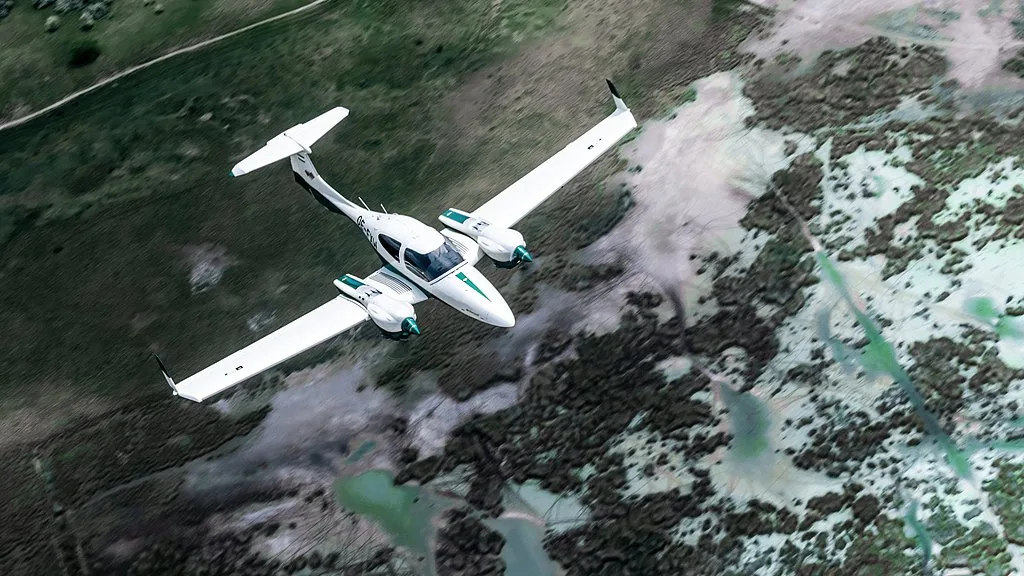
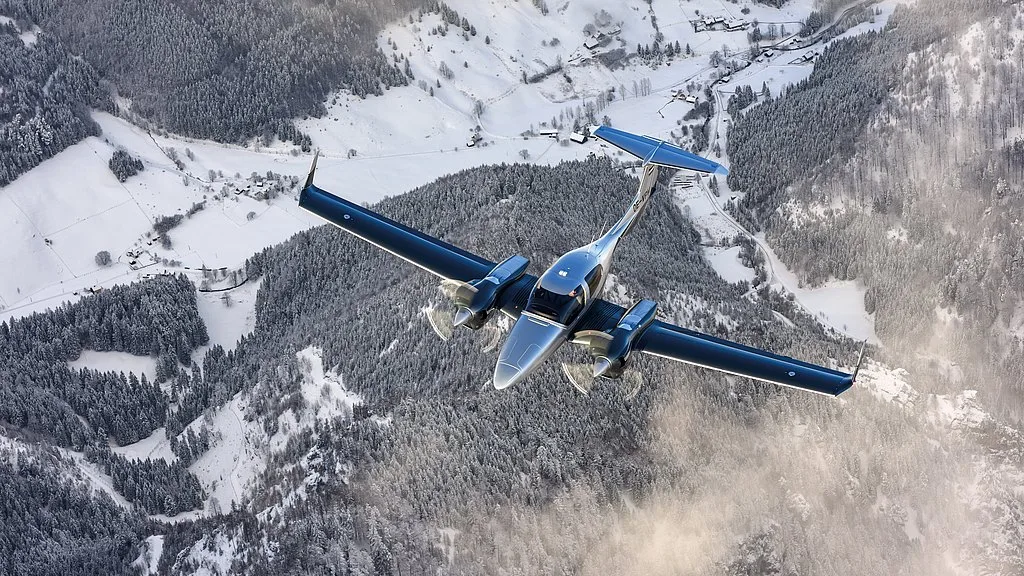
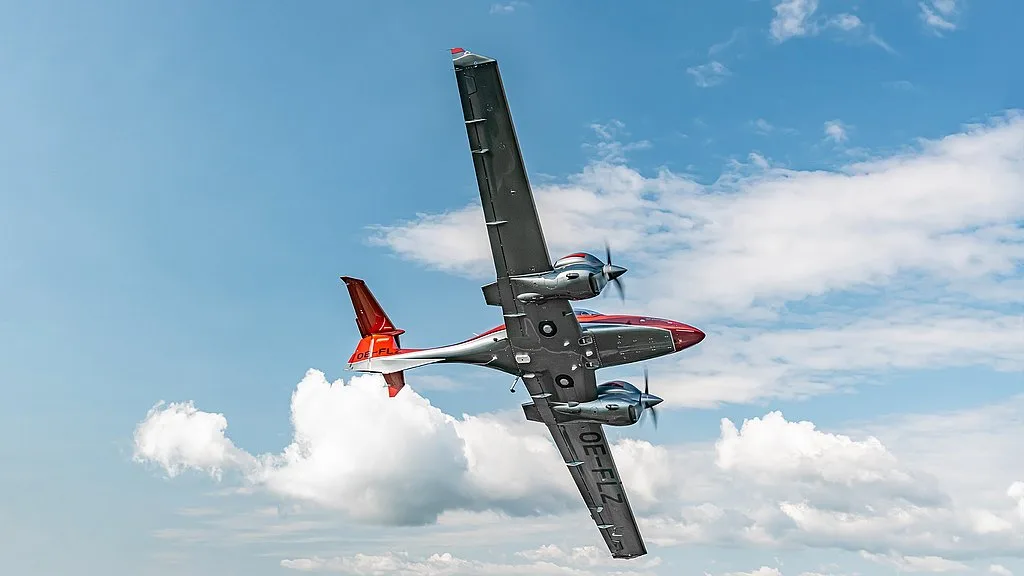
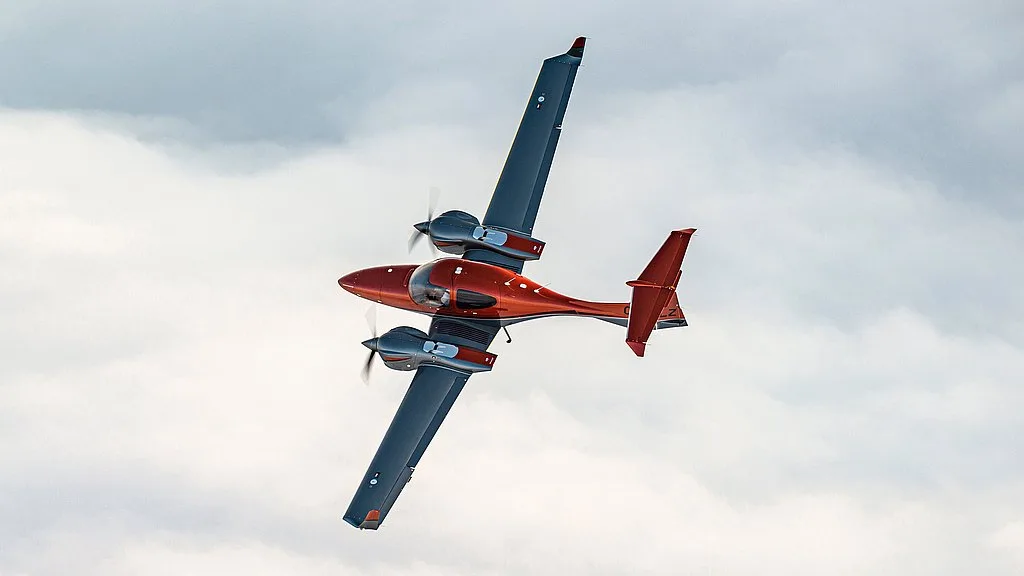
The Diamond DA42-VI is a four-seat, twin-engine aircraft powered by two Austro Engine AE300 turbodiesel engines, each producing 180 HP. As the twin-engine sibling of the DA40, the DA42-VI shares its composite construction, modern glass cockpit avionics, and Jet-A fuel efficiency while adding the safety and performance benefits of multi-engine redundancy and a maximum range of 1,111 nautical miles.
The DA42-VI has become the world's leading multi-engine training aircraft, offering flight schools an economical platform for MEP (Multi-Engine Piston) training with significantly lower fuel costs than traditional gasoline-powered twins. Its docile single-engine handling characteristics and FADEC-controlled diesels make it an exceptionally safe multi-engine trainer.
History & Context
The Diamond DA42 Twin Star first flew in 2002 and received EASA certification in 2004, followed by FAA certification. It was designed as a modern replacement for aging multi-engine trainers like the Piper Seminole and Beechcraft Duchess, offering composite construction, diesel efficiency, and contemporary avionics.
The DA42-VI designation represents the latest production standard, incorporating lessons learned from over two decades of fleet operations worldwide. Diamond has delivered hundreds of DA42s to flight training organizations, military academies, and private operators, establishing it as the benchmark multi-engine trainer of its generation.
Development & Updates
The DA42-VI features the Garmin G1000 NXi avionics suite with dual screens and optional GFC 700 autopilot. The twin Austro AE300 engines are each controlled by independent FADEC systems, providing automatic engine management and significantly reducing pilot workload compared to traditional twins with mixture and propeller controls.
Key improvements in the -VI standard include updated FADEC software for improved engine response, enhanced electrical system redundancy, and refined interior options. Diamond also offers the DA42-VI in a special mission configuration for surveillance, mapping, and aerial survey operations, leveraging the platform's endurance and stability.
Flight Characteristics
The DA42-VI is renowned for its benign single-engine handling characteristics, which are critical for a multi-engine trainer. Unlike older light twins where engine failure could be genuinely hazardous for inexperienced pilots, the DA42-VI's counter-rotating propellers eliminate the critical engine concept, and the aircraft maintains directional control easily on one engine with minimal rudder input.
In normal cruise, the DA42-VI is smooth and stable, with the twin diesels running at matched RPM via their FADEC systems. Cruise speed is approximately 180 knots on a combined fuel consumption of about 14-16 GPH total, which is remarkable for a twin-engine aircraft. The composite airframe provides a comfortable, low-vibration cabin environment.
The aircraft excels as a training platform because students can focus on multi-engine procedures and decision-making rather than fighting the aircraft during simulated engine failures. This makes for safer, more effective training while building genuine multi-engine skills.
Use Cases & Target Group
The Diamond DA42-VI serves operators who need twin-engine capability with modern efficiency:
- Flight schools providing multi-engine piston (MEP) rating training
- Military and government flight training academies
- Private owners wanting twin-engine safety with diesel economy
- Special mission operators for surveillance, survey, and aerial photography
- Pilots building multi-engine hours for airline career progression
Strengths & Weaknesses
Strengths
- Twin-engine redundancy with exceptionally safe single-engine handling characteristics
- Low operating costs with Jet-A diesel fuel consumption of approximately 14-16 GPH total
- Counter-rotating propellers eliminate the critical engine, enhancing safety
- All-composite airframe with excellent aerodynamic efficiency and low maintenance
- FADEC-controlled engines reduce pilot workload and prevent operational errors
- Garmin G1000 NXi glass cockpit as standard equipment
Weaknesses
- Austro AE300 engines require adherence to strict maintenance intervals and TBO schedules
- Acquisition cost is higher than older legacy multi-engine trainers
- Cabin space and baggage capacity are modest for a twin-engine aircraft
- Diesel engine parts and specialized maintenance may be limited at some locations
Summary & Conclusion
The Diamond DA42-VI has transformed multi-engine training by providing a modern, safe, and economical platform that makes older gasoline-powered twins feel outdated. Its benign single-engine characteristics, FADEC-controlled diesels, and composite construction deliver an aircraft that is safer and cheaper to operate than the legacy twins it replaces.
For flight schools and operators who need a multi-engine platform that combines safety, efficiency, and modern technology, the DA42-VI is the clear market leader and the standard for contemporary multi-engine training worldwide.
