
Safety First
Aviation Safety Center
Flying is the safest mode of transport in the world. Here you will find real-time flight data, in-depth safety analyses and everything pilots and passengers should know — fact-based, without scaremongering.
Flight Conditions Dashboard
Echtzeit-Daten für sichere Flugplanung
Flying vs. Driving — The Honest Accident Statistics
Risk comparison per kilometer, per hour, and per trip. Why the drive to the airport is statistically more dangerous than the flight itself.
Most Important Articles
 Featured
16 Min
Featured
16 Min
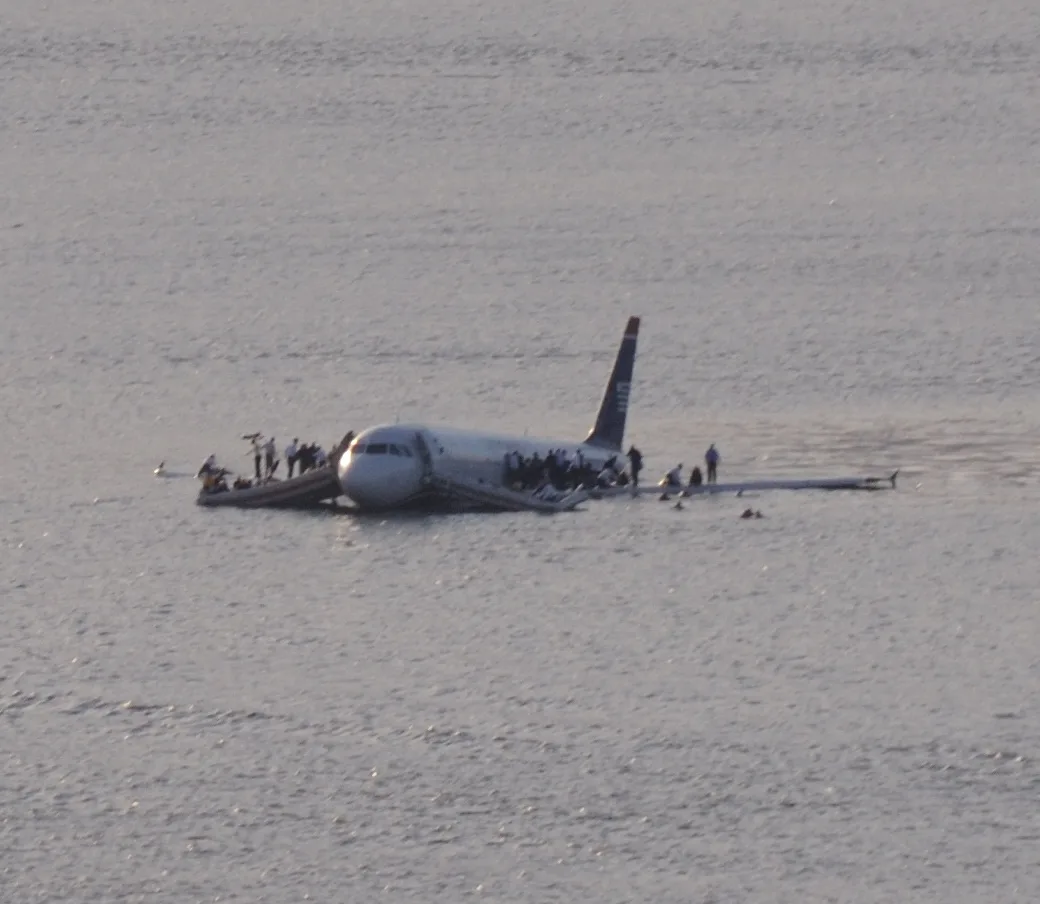
The Miracle on the Hudson — How 155 People Survived
US Airways Flight 1549: Bird strike, both engines out, emergency landing on the Hudson River. How Captain Sullenberger saved 155 lives.
 Featured
13 Min
Featured
13 Min
Flying vs. Driving — The Honest Accident Statistics
Risk comparison per kilometer, per hour, and per trip. Why the drive to the airport is statistically more dangerous than the flight itself.
 Featured
14 Min
Featured
14 Min
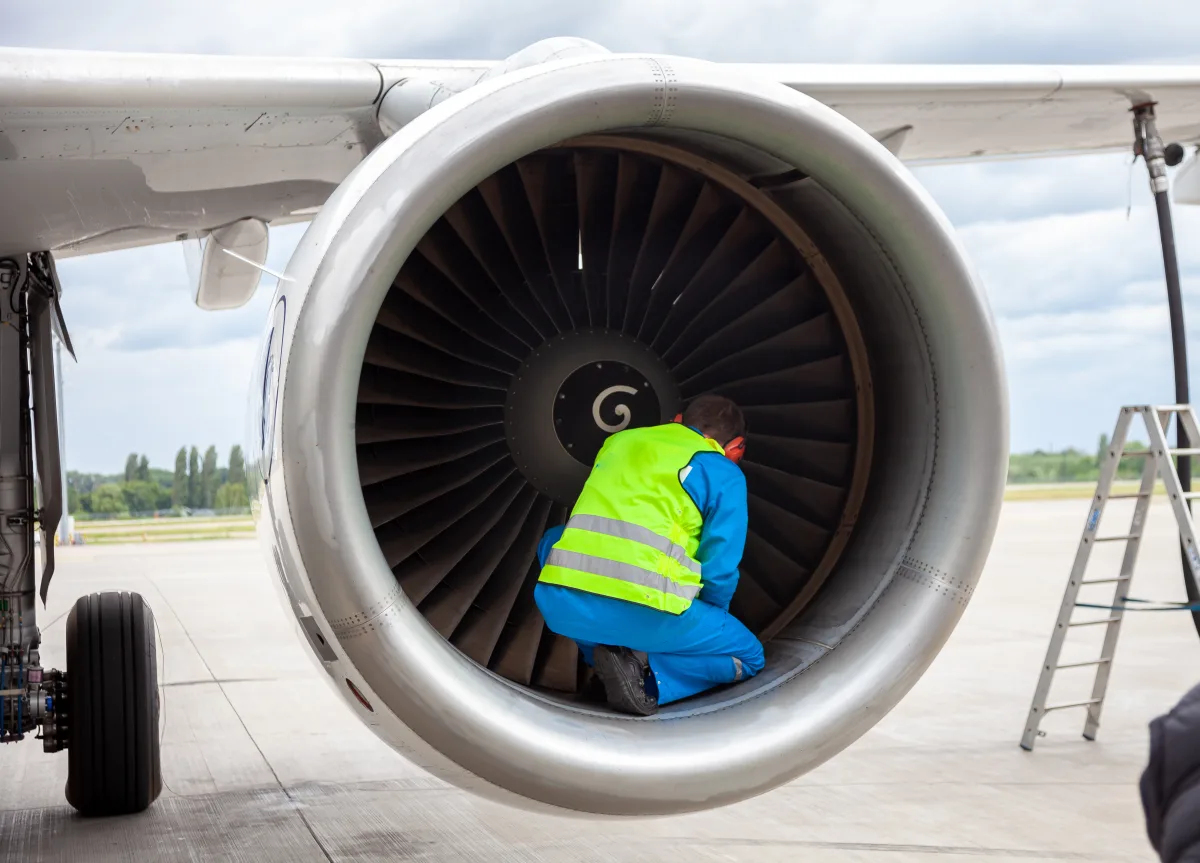
Turbulence — Why Your Plane Won't Crash
What turbulence physically is, why it feels worse than it actually is, and why no modern aircraft has ever crashed due to turbulence.
 14 Min
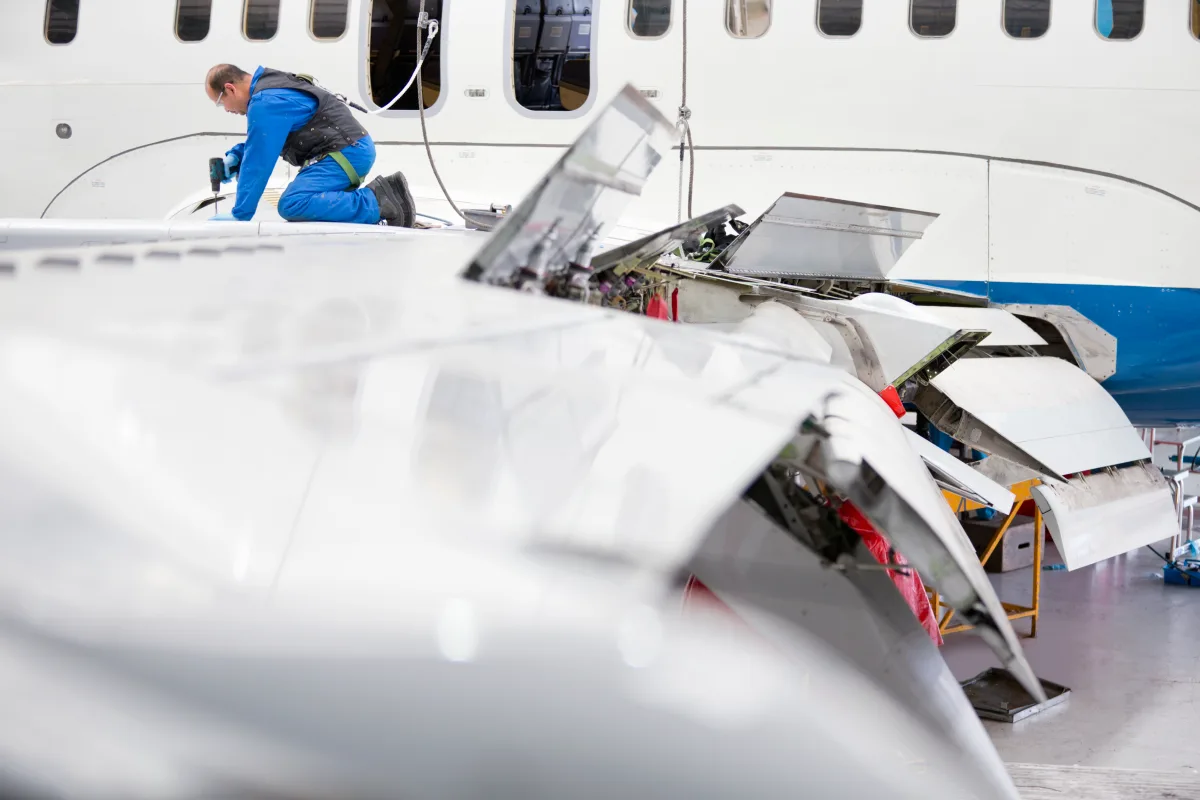
Flight Attendants Are Safety Professionals — Not Waitstaff
Training in firefighting, first aid, evacuation, self-defense. Why cabin crew instructions during emergencies have the force of law.
 14 Min
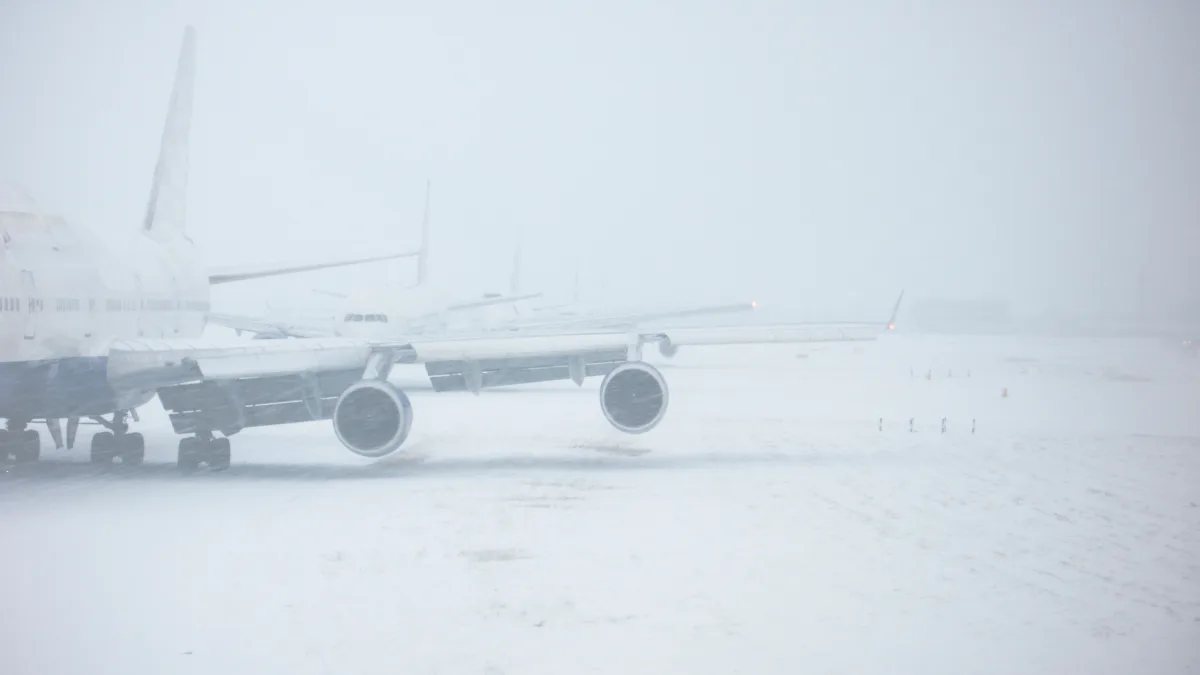
Preflight Check — No Detail Is Too Small
Why every walk-around inspection matters, real cases where skipped checks proved fatal, and the key points of a thorough preflight inspection.
 15 Min
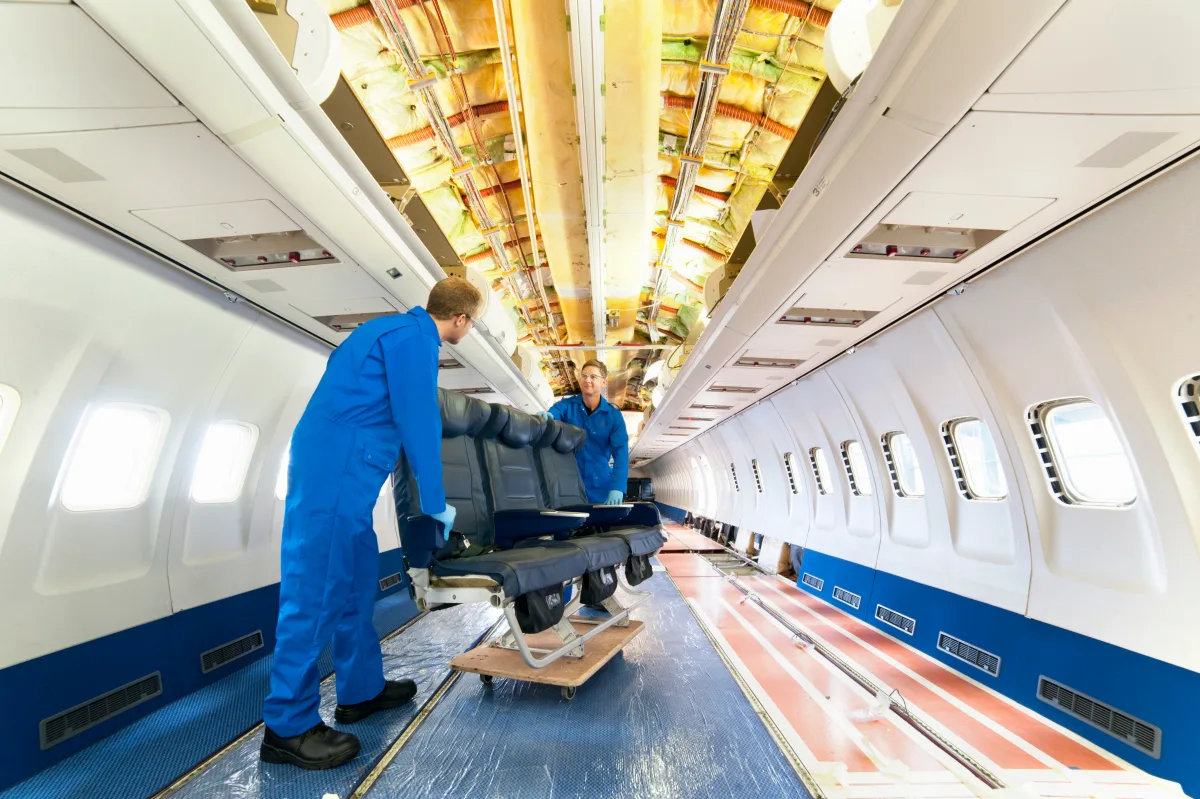
The Go/No-Go Decision — The Most Important Moment
Weather assessment, personal limits, the IMSAFE checklist, and why "get-there-itis" is every pilot's most dangerous enemy.
 12 Min
The Safety Briefing — Why Those 3 Minutes Save Lives
Brace position, counting exits, using oxygen masks correctly. Why every seat on an airplane is a carefully designed safety system.
 14 Min
The Safest Era in Aviation History — Numbers Since 1950
Accident rate trends from 1950 to today: Hull Loss Rate, fatal accidents per million flights, and why 2024 was the safest year in history.
 15 Min
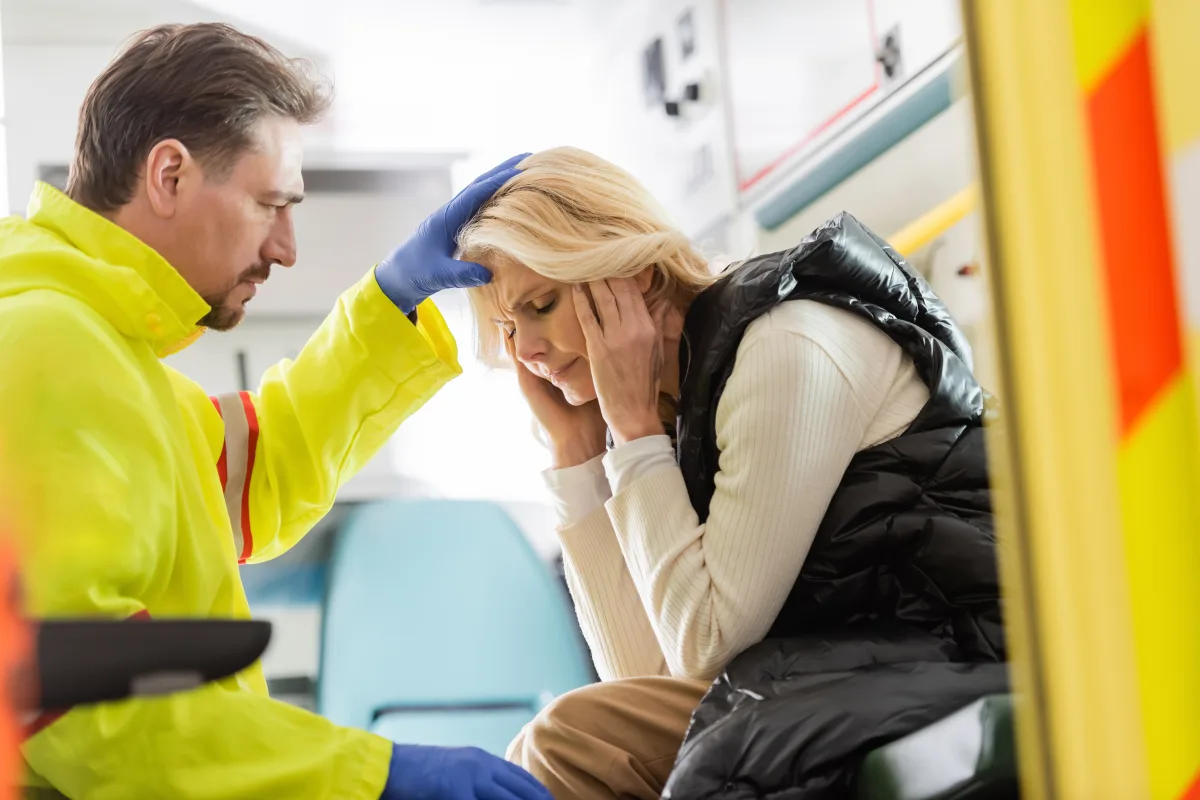
Medical Emergency on Board — What Really Happens
"Is there a doctor on board?" — What happens next: onboard medical kit, defibrillator, telemedicine, diversion decisions, and legal protection for helping physicians.
 17 Min
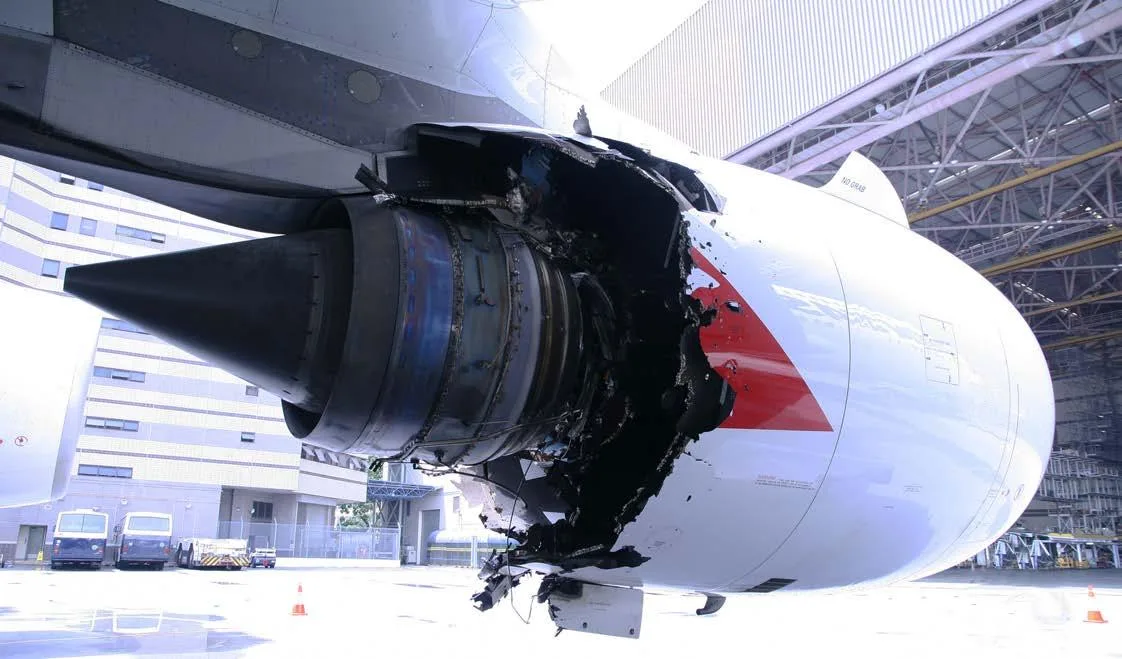
Qantas Flight 32 — Engine Explosion Over Singapore
A380, uncontained engine failure over Singapore: 2 hours of checklists, 5 pilots in the cockpit, and all 469 passengers survived.
 15 Min
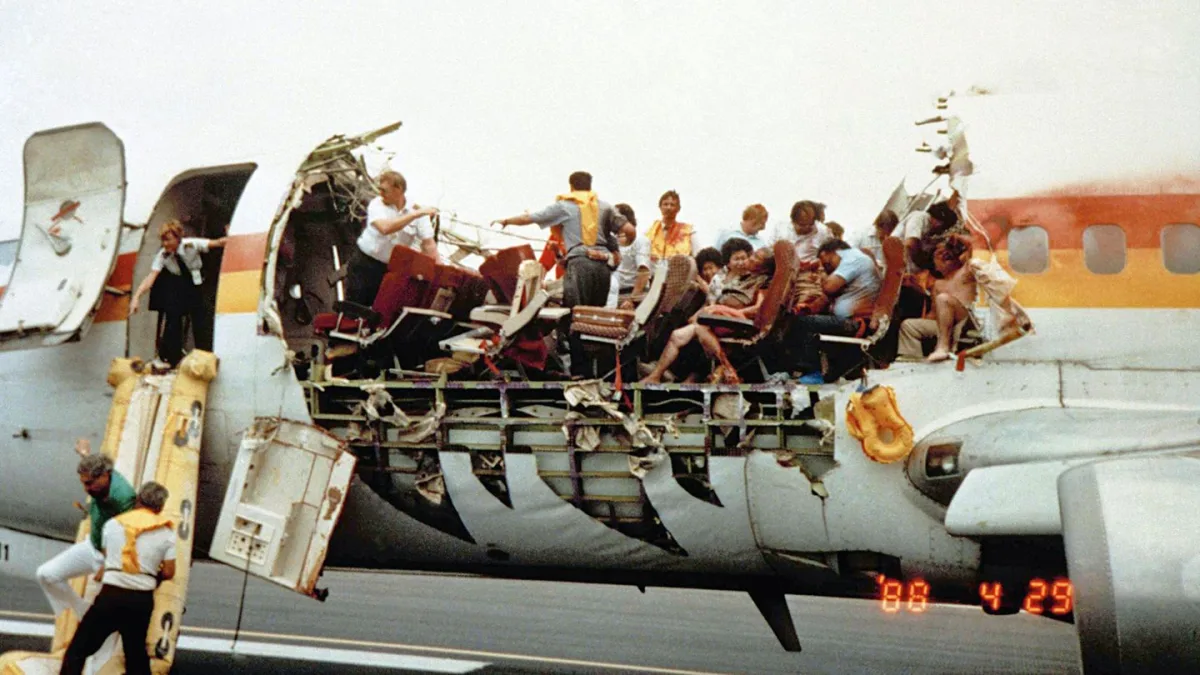
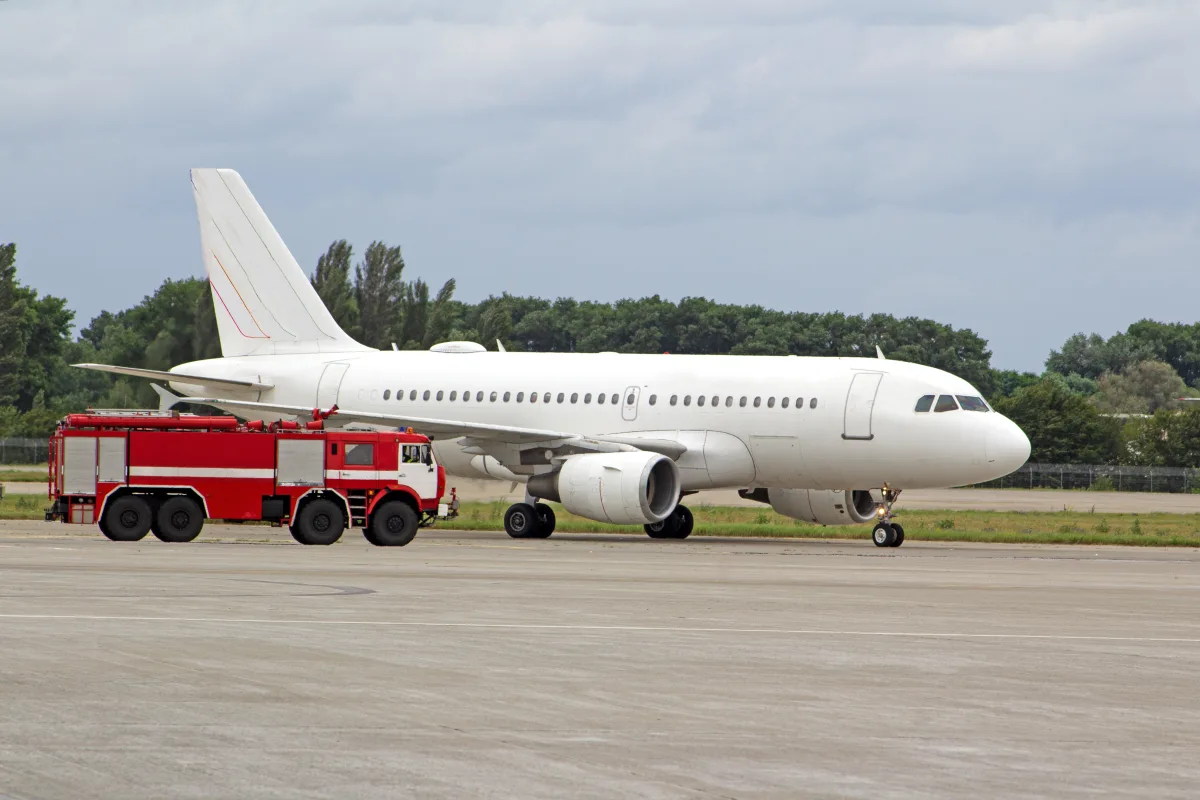
Aloha Airlines 243 — When the Cabin Roof Tore Off
Structural failure at 24,000 feet: The cabin roof of a Boeing 737 tore off — and the pilots still landed the aircraft safely.
 13 Min
The 90-Second Rule — How to Survive an Evacuation
Why 90 seconds is the certification standard, what happens during cabin smoke, why you should keep your shoes on, and real survivor accounts.
 16 Min
Cabin Pressure & Oxygen Masks — The Truth Behind Them
How cabin pressurization works, what happens during depressurization, why oxygen masks only last 15 minutes, and the lessons from Helios Flight 522.
 16 Min
Fuel Planning — When Fuel Runs Low
Fuel management, diversion decisions, real fuel emergency cases, and the legendary Gimli Glider — a Boeing 767 that ran out of fuel.
 15 Min
Engine Failure — Why Planes Simply Keep Flying
ETOPS explained, single-engine capability of all commercial aircraft, redundancy philosophy, and why even an airliner can glide without engines.
 12 Min
Lightning Strikes — More Common Than You Think (And Harmless)
Faraday cage principle, frequency of lightning strikes (once per aircraft per year), certification requirements, and the last fatal incidents.
 15 Min
Conquering Fear of Flying — Facts Over Panic
Flight vs. driving statistics, which airplane noises are perfectly normal, what the pilot is doing right now, and proven coping strategies for fear of flying.
 15 Min
Flying Around Thunderstorms — Lightning Isn't the Problem
CB clouds, wind shear, hail, and downbursts as real dangers. Lightning strikes happen once per 1,000 flight hours — and are almost always harmless.
 18 Min
United 232 Sioux City — Landing Without Hydraulics
Total hydraulic failure of a DC-10: Control only through engine thrust. 185 of 296 people survived thanks to Crew Resource Management.
 16 Min
10 Things That Scare Passengers — But Are Completely Normal
Landing gear noises, engine throttle reduction after takeoff, flap sounds, go-arounds, wing flex — all completely normal and explained here.
No articles found
There are currently no articles in this category.
